
Deep listening.
True understanding.
Expert support.
Compassionate, evidence-based therapy for the pressures and transitions in women's lives, from burnout and juggling many roles to pregnancy, postpartum and midlife.
WELCOME
I'm glad you're here.
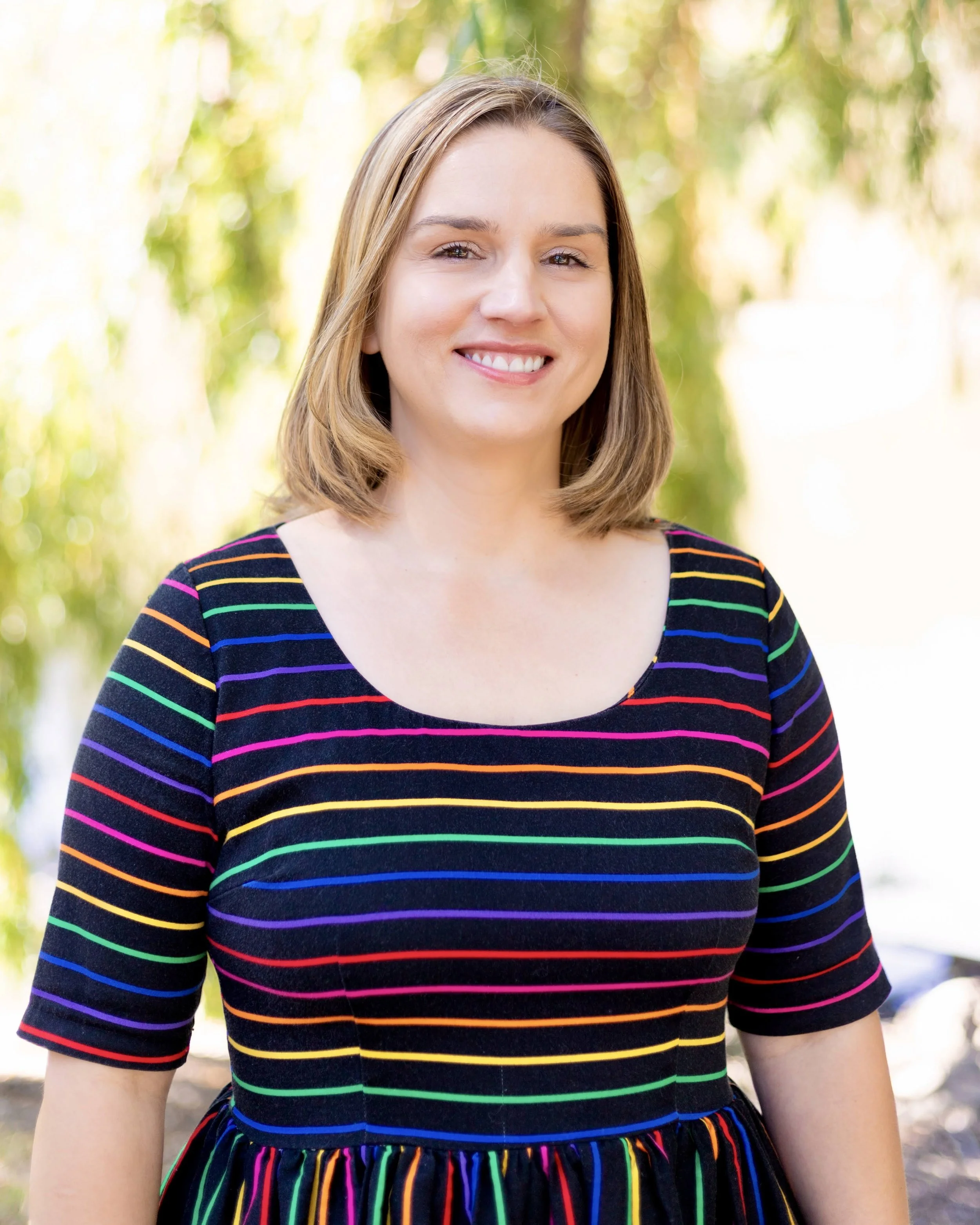
I'm Dr. Megan Foret, a licensed clinical psychologist. I created this practice to give women a place to be truly heard through the pressures and changes in women's lives, from the demands of many roles to the hormonal shifts of pregnancy, postpartum and midlife.
These experiences are common, yet they can feel isolating and hard to explain, even to the people closest to you. Together, we'll make sense of what you're going through and build a plan that fits your life, your values and your goals.
01 — ROLES AND EXPECTATIONS
The weight of many roles
Career, caregiving, relationships and the mental load of keeping it all running. When expectations come from everywhere at once, it can lead to burnout, anxiety and the sense that you are falling short in every direction.
Burnout and exhaustion
Anxiety and panic
Depression and low mood
Perfectionism and people-pleasing
Identity and relationship changes
WHY WOMEN'S MENTAL HEALTH
Understanding what shapes women's mental health
Women are about twice as likely as men to experience depression and anxiety. Hormonal changes play a part, and so do the roles and expectations women carry. Therapy can't change your hormones, but it can help you understand what's happening, cope with how it affects your mood, and work alongside your medical providers.
02 — HORMONES ACROSS A LIFETIME
When your body changes, your mood can too
Shifting hormones affect mood at predictable points in a woman's life. These changes are real and treatable, and too often they are dismissed.
Trying to conceive, fertility treatment and pregnancy loss
Pregnancy and postpartum, including intrusive thoughts and birth trauma
Perimenopause and menopause
MY APPROACH
How I work
Deep listening
Unhurried time to tell your story, so we start from what matters most to you
True understanding
Making sense of how hormones, sleep, stress and life changes affect your mood, which often brings relief on its own
Expert support
Evidence-based therapy and practical tools
WHY WORK WITH ME
What sets this practice apart
01
Grounded in research
Every approach I use is backed by clinical research, from CBT and DBT to interpersonal therapy for new mothers.
02
Focused on women's mental health
Specialized training in the mental health challenges women face, including advanced perinatal mental health training through Postpartum Support International (PSI).
03
Collaborative care
With your permission, I coordinate with your other providers (OB, doctor, psychiatrist, birthing support) so your care fits together.
GETTING STARTED
Your path to feeling like yourself again
STEP 1
Free 15-minute consult
A short call to talk about what's going on, answer your questions and see whether we're a good fit.
STEP 2
Your first session
A thorough look at your history, what's changed, and what you want to feel different. We'll leave with a plan.
STEP 3
Ongoing support
Regular sessions, adjusted as you start to feel better, with care that adapts to each new stage.
TELEHEALTH
Care from wherever you are
All sessions are held by secure video, so you can meet from home, your office, or the car during nap time, anywhere in California or New York.
California
Licensed Psychologist
License PSY26709
Los Angeles, San Diego, San Jose, San Francisco, Oakland, Sacramento and statewide
New York
Licensed Psychologist
License 025178
New York City, Brooklyn, Long Island, Westchester, Buffalo, Rochester, Albany and statewide
Frequently asked questions
-
The 15-minute consult is free. Sessions are $260 for 45 minutes.
-
I'm out of network and provide documentation (superbills) for possible reimbursement through your PPO plan. After your deductible is met, many PPO plans reimburse 50% to 80% of the plan's "allowed amount" for a session, which is often less than my fee. To find out what your plan covers, use this printable benefits worksheet when you call your insurance company.
I'm also a Lyra Health provider. If your employer offers Lyra, you qualify for a limited number of free sessions, and we'll check during your free consult. -
Openings change frequently. Message me or book a free consult and I'll share current availability.
-
Not at all. I work with women at every stage of life, including women who are childfree or undecided.
-
All sessions are by secure video for adults located in California or New York.
Ready when you are
Book a free 15-minute consult. No commitment, just a conversation.